Faith After Doubt explores what happens when belief unravels, familiar faith falls apart, and a deeper, softer, stronger relationship with God begins to grow.


Faith After Doubt A Story of Deconstruction and Return
There are seasons in life when faith feels simple, steady, and familiar. Then there are other seasons when everything begins to shake. That is where Faith After Doubt begins. This is not the story of rebellion for the sake of rebellion. It is not a story of unbelief as identity. It is the story of what can happen when a person becomes honest about their questions, weary of pretending, and no longer able to carry a faith that feels borrowed, fragile, or unresolved. It is about letting go of what was shallow, cultural, performative, or incomplete. It is also about discovering that when everything familiar falls apart, God is still able to meet a searching heart. For many people, doubt feels shameful. They assume that questioning means failure, distance, or spiritual weakness. But sometimes doubt is not the end of faith. Sometimes it is the beginning of a more honest one. Faith After Doubt reminds believers that faith can be stretched, stripped, and refined without being destroyed. A person may come back changed, quieter, wiser, and softer, but not lost.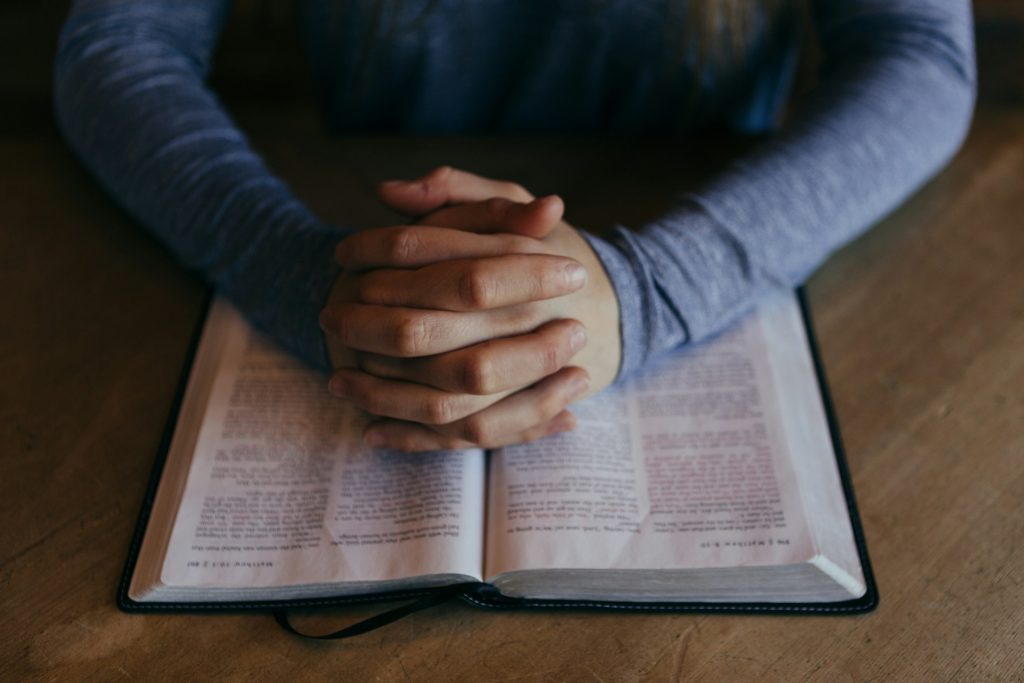
Questioning Everything I Believed
A central part of Faith After Doubt is the painful process of questioning everything once held with certainty. There are moments when inherited beliefs no longer feel enough. A person may begin to ask whether what they believe is truly rooted in God or simply in environment, culture, fear, habit, or the expectations of others. Questions may come through disappointment, unanswered prayer, church hurt, intellectual struggle, suffering, hypocrisy, or a growing realization that the old answers no longer touch the depth of real life. This kind of questioning can be unsettling. It feels like standing in a room where the walls are slowly disappearing. Beliefs once repeated with confidence suddenly feel harder to explain. Familiar language loses some of its weight. Easy answers begin to sound too easy. The soul wants something real enough to survive pain, complexity, and honesty. For many, this stage is deeply lonely. People often feel pressure to stay certain, stay strong, and stay quiet. They may fear being misunderstood if they admit what is happening inside. But real transformation often begins when a person stops pretending. When they become honest enough to say, “I do not know,” or “I am struggling with what I thought I believed,” something important begins to shift. In Faith After Doubt, questioning is not treated as something to glorify, but neither is it treated as something to fear. Honest questions can uncover shallow foundations. They can expose where faith was built more on image than intimacy, more on tradition than truth. The shaking is painful, but it can also make room for something deeper.Walking Away from the Familiar
For some people, doubt stays private. For others, it leads to distance. One of the hardest parts of Faith After Doubt is walking away from what once felt familiar. This may mean stepping back from church spaces, routines, language, or relationships that once shaped spiritual life. It may mean no longer feeling at home in places that used to feel safe. Sometimes the distance happens because of hurt. Sometimes it comes from exhaustion. Sometimes it happens because staying in the familiar feels impossible while the heart is unraveling. Walking away is rarely as simple as it looks from the outside. It is often filled with grief. There may be relief, but there is also loss. Familiar songs, sermons, traditions, and spiritual habits may suddenly feel complicated. A person can miss what once comforted them while also knowing they cannot engage with it the same way anymore. In this stage, many fear they are disappearing from God. But the message of Faith After Doubt is that even when a person walks away from familiar forms, God is not absent. He is not limited to the structures people are trying to sort through. He remains patient, present, and near, even in the distance. This part of the journey can be deeply disorienting. Without familiar spiritual routines, silence feels louder. Identity feels less certain. But sometimes leaving behind what is familiar becomes part of seeing more clearly. It creates space to separate God Himself from everything that had become tangled around Him.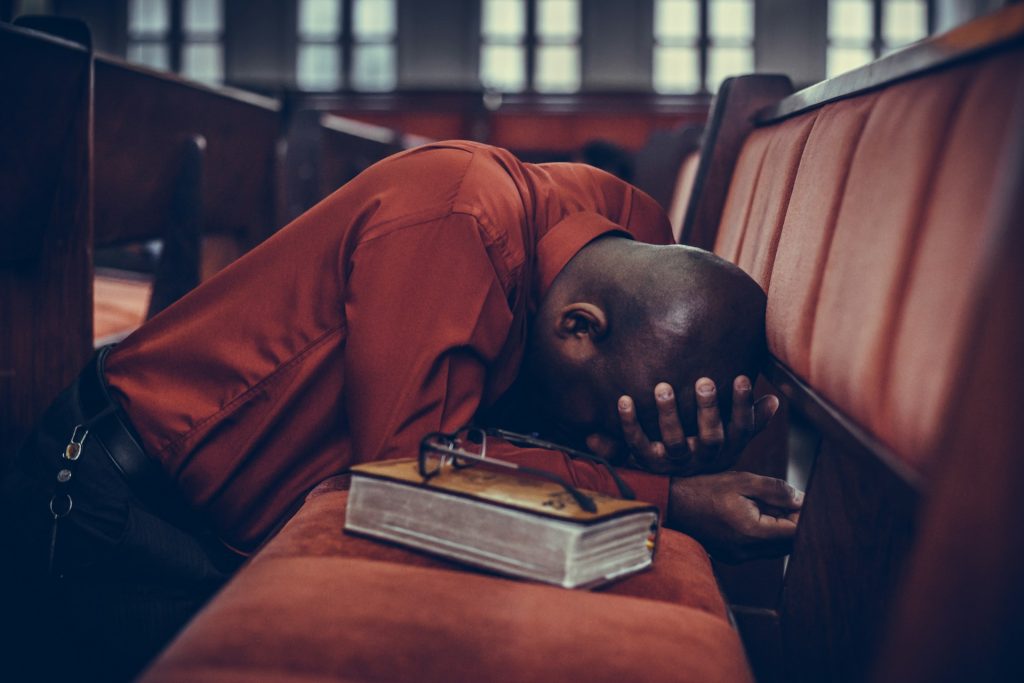
What I Found in the Silence
There is a silence that feels empty, and there is a silence that begins to reveal what noise was hiding. In Faith After Doubt, the silence becomes an important turning point. When the usual answers stop working and the familiar structures fall quiet, a person may expect only emptiness. At first, the silence can feel unsettling. It can feel like spiritual absence, like being suspended between what no longer works and what has not yet been rebuilt. But over time, that silence can become a place of honesty. Without performance, a person begins to notice what is still there. Hunger remains. Longing remains. The desire for truth remains. The ache for God may still be present, even when certainty is not. In the quiet, some discover that beneath all the confusion, they never stopped wanting what was real. Silence can also strip away pressure. It can create room to grieve false expectations, disappointments, and distortions. It can reveal that faith was carrying things it was never meant to carry. God does not panic in that process. He is patient enough to meet people there. One of the quiet discoveries in Faith After Doubt is that God often feels gentler than expected. Not weaker, but gentler. Not less holy, but more patient. In silence, some begin to sense that God is not offended by their questions. He is not intimidated by uncertainty. He is not withholding Himself until they become impressive again. He remains present, even when words are few. Sometimes what is found in the silence is not a dramatic revelation, but a steady realization that God is still there. Still listening. Still inviting. Still able to be known beyond performance, noise, and pressure.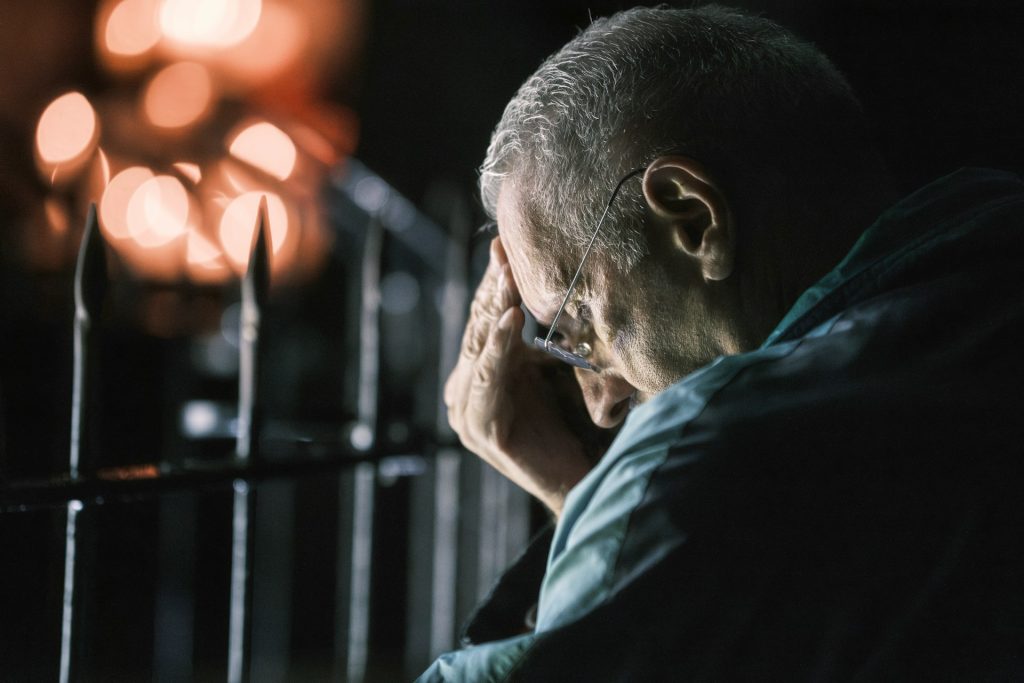
Rebuilding a Stronger, Softer Faith
Eventually, the journey begins to turn. Not always suddenly, and not always with complete clarity, but gradually. This is where Faith After Doubt becomes a story of rebuilding. The faith that returns is often not identical to the faith that fell apart. It may be quieter. It may be less defensive. It may hold fewer clichés and more compassion. It may rely less on appearance and more on intimacy with God. It may stop trying to explain everything and start learning how to trust more deeply. A stronger faith is not one that never struggled. It is one that has passed through struggle and still found reason to remain. A softer faith is not weak. It is tender, humble, and aware of how much grace is needed. It makes room for mystery. It carries conviction without harshness. It becomes more patient with other people’s journeys because it remembers what it felt like to question everything. Rebuilding often includes returning to Scripture with fresh eyes, engaging prayer with more honesty, and reconnecting with church in healthier ways. It may mean finding community that values truth and grace together. It may mean learning to separate the failures of people from the character of God. It may mean believing again, not because every question vanished, but because God proved faithful in the middle of them. In Faith After Doubt, rebuilding is not pretending the deconstruction never happened. It is allowing God to use even the unraveling to shape something more grounded. Some things are left behind for good. Performance may be left behind. Fear-based religion may be left behind. Shallow certainty may be left behind. But what remains can be more real than before.Changed, But Not Lost
One of the most important truths in Faith After Doubt is that a person can be changed by doubt without being destroyed by it. The journey through questioning, distance, silence, and return often leaves marks. A person may no longer speak with the same tone they once did. They may be slower to judge, slower to assume, and quicker to listen. They may carry both conviction and compassion in a different way. That does not mean they are lost. It may mean they have been refined. Coming home to faith after doubt does not always look dramatic from the outside. Sometimes it is quiet. It is a returning to prayer. A reopening of Scripture. A softened heart during worship. A willingness to trust again, even if not perfectly. A recognition that God was present even in the parts of the journey that felt uncertain. The beauty of this story is not that doubt won. The beauty is that God remained faithful through it all. He did not abandon the searching heart. He did not withdraw when the questions grew louder. He walked patiently through the unraveling and met the soul again on the other side.Final Thoughts
Faith After Doubt A Story of Deconstruction and Return is a story many people quietly carry. It is the story of faith being stretched until it can no longer rely on borrowed certainty. It is the story of walking away from what felt familiar, meeting God in the silence, and discovering that return is still possible. At New Life Ministries Unlimited, this message matters because many people are wrestling with questions they do not always know how to voice. They need to know that honesty does not disqualify them from grace. They need to know that doubt does not have to be the end of their story. They need to know that God is still able to rebuild what feels fragile. A person may come back changed, humbler, and softer than before. But by the grace of God, they do not have to come back lost. In Christ, faith can survive the unraveling and become deeper, truer, and more anchored than it was before.